
2BVA2061 Liquid Ring Vacuum Pump
For extrusion degassing, drying, solvent recovery or packaging equipment, provide gas composition, vapour load, target pressure, operating schedule and installation conditions. Confirm wetted materials, seal compatibility, port dimensions, cooling, liquid separation, recirculation or discharge treatment, and maintenance requirements. Food or solvent applications require review of process requirements and protective measures for the complete installation. Verify noise measurement conditions and leakage acceptance criteria for the quoted configuration.
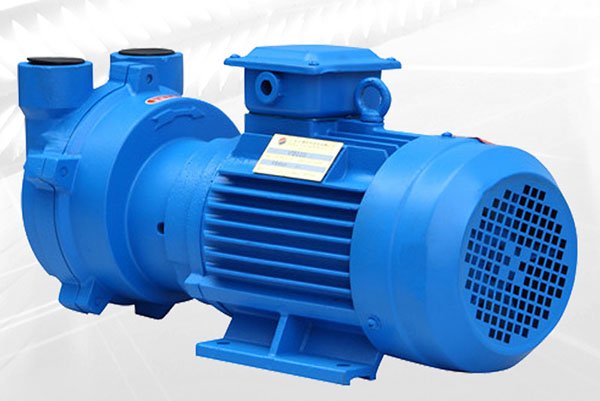
Image Gallery
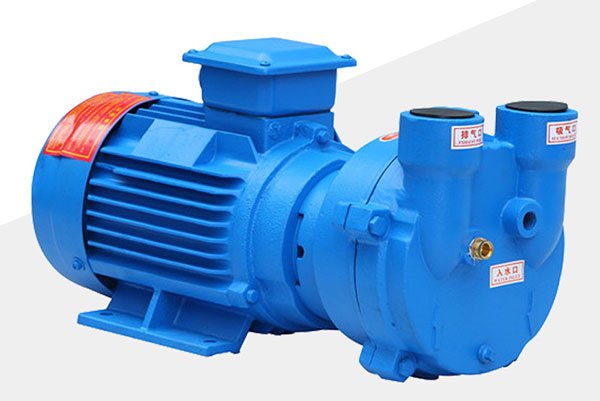
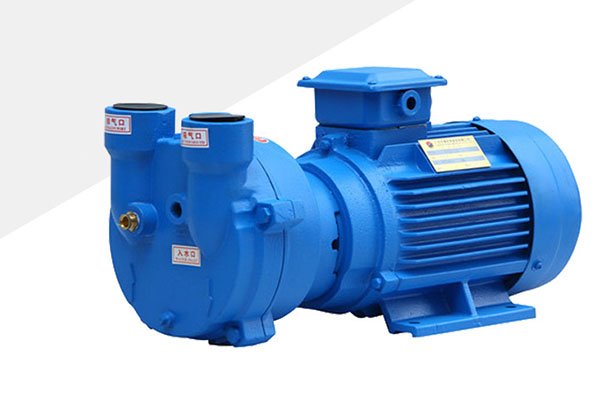
2BVA Series Liquid Ring Vacuum Pump Technical Specifications
| Model / Parameter | 2BVA2060 (2BV2 060) | 2BVA2061 (2BV2 061) | 2BVA2070 (2BV2 070) | 2BVA2071 (2BV2 071) | 2BV5 110 | 2BV5 111 | 2BV5 121 | 2BV5 131 | 2BV5 161 |
|---|---|---|---|---|---|---|---|---|---|
| Max Air Capacity (m³/min) | 0.45 | 0.86 | 1.33 | 1.83 | 2.75 | 3.83 | 4.66 | 6.66 | 8.33 |
| Ultimate Vacuum (-MPa / mbar) | 0.097 (33 mbar) | 0.097 (33 mbar) | 0.097 (33 mbar) | 0.097 (33 mbar) | 0.097 (33 mbar) | 0.097 (33 mbar) | 0.097 (33 mbar) | 0.097 (33 mbar) | 0.097 (33 mbar) |
| Motor Power (kW) | 0.81 | 1.45 | 2.35 | 3.85 | 4.0 | 5.5 | 7.5 | 11.0 | 15.0 |
| Pump Speed (r.p.m) | 2880 | 2880 | 2850 | 2860 | 1450 | 1450 | 1450 | 1430 | 970 |
| Operating Liquid Flow (L/min) | 2.0 | 2.0 | 2.5 | 4.2 | 6.7 | 8.3 | 10.0 | 15.0 | 20.0 |
| Port Diameter / Inlet Connection | DN25 Thread | DN32 Thread | DN40 Flange | DN40 Flange | DN50 Flange | DN50 Flange | DN65 Flange | DN80 Flange | DN100 Flange |
| Noise Level dB(A) | ≤ 62 | ≤ 65 | 66 | 72 | 63 | 68 | 69 | 73 | 74 |
| Net Weight (kg) | 34 | 35 | 50 | 60 | 90 | 110 | 150 | 180 | 300 |
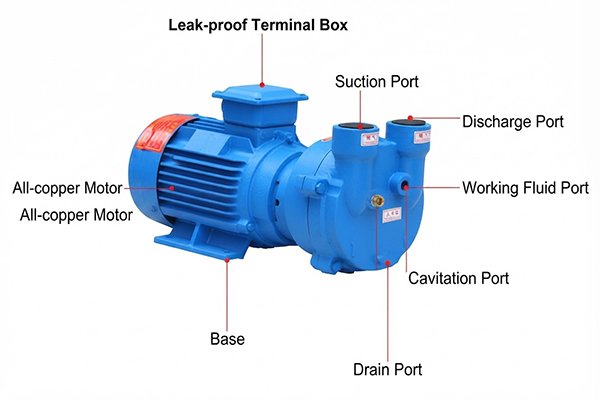
Key Technical Features & Performance Advantages
Performance Curve & Working Capacity
Compare the listed capacity and motor data under the same electrical and test conditions. Confirm flow at the required inlet pressure using the performance curve and stated service-liquid temperature and flow. Maximum capacity alone does not establish evacuation time or efficiency.
Connections & System Pressure Loss
Confirm port dimensions, connection type and adapters for the quoted configuration. Review pipe diameter, length, fittings and discharge arrangements against the gas load. Assess evacuation performance for the complete installation.
Vapour Load & Material Compatibility
Provide gas composition, vapour load, liquid carryover, temperature and service-liquid quality for review. Confirm wetted materials, seals, separation and cleaning requirements. Do not assume universal resistance to condensate, scaling or process chemicals.
Operating Range & Cavitation Review
Confirm the permitted inlet pressure range and service-liquid conditions for the proposed configuration. Review any anti-cavitation line, bypass or protective controls with the supplier; a connection alone does not establish protection during every operating condition.
Target Applications & Industry Uses
🏭 Plastic Extrusion & Sheet Molding
For plastic or sheet extrusion degassing, provide gas composition, vapour and particle load, temperature, working pressure and duty cycle. Confirm inlet protection, wetted materials, seals, service-liquid compatibility and discharge treatment for the proposed line.
🧪 Chemical & Solvent Recovery
For distillation, solvent recovery or batch drying, define gas composition, vapour load, temperature and target pressure. Review material and seal compatibility, separation, service-liquid management, exhaust treatment and process-specific protective measures for the complete system.
📦 Food Processing & Evacuation
For food packaging or liquid degassing, provide process pressure, gas load, cycle time and operating schedule. Review wetted materials, service-liquid quality, cleaning, liquid separation and applicable process validation requirements with the integrator.
⚡ Power Plant & Utility Priming
For priming, water-box evacuation or oil filtration equipment, provide system volume, leakage, gas load and evacuation target. Confirm fluid compatibility, separation, controls and service-liquid supply or recirculation for the selected installation.
Frequently Asked Questions (FAQ)
How does the performance of 2BVA2061 compare to the smaller 2BVA2060 model?
Compare both models using performance curves under the same electrical and service-liquid conditions. Confirm capacity at the required working pressure, motor load, connections and installation dimensions. A difference in maximum capacity alone does not establish process suitability or an equivalent reduction in evacuation time.
Why is the 2BVA2061 preferred for plastic extrusion degassing?
For extrusion degassing, provide gas composition, vapour and particle load, temperature, target pressure and duty cycle. Confirm wetted materials, seals, inlet protection, separation, service-liquid compatibility and discharge treatment. Do not assume uninterrupted operation or universal tolerance of polymer particles.
What liquid flow rate is required to operate the 2BVA2061 vacuum pump?
Confirm the service-liquid type, temperature, flow and supply pressure for the proposed operating point in the quotation and operating instructions. Review process heat and vapour load, cooling, separation, recirculation or discharge arrangements rather than assuming a single listed flow applies to every installation.
Can the 2BVA2061 pump run continuously under maximum vacuum pressure?
Confirm the permitted continuous operating range, motor duty rating and service-liquid conditions with the supplier. Review any anti-cavitation line, bypass and protective controls for the exact configuration. A limiting-pressure rating or protection connection alone does not establish unrestricted continuous operation.
Ready to Upgrade Your Industrial Vacuum System?
Send the model, target pressure, gas load, seal-liquid type and temperature, electrical supply and operating schedule for a configuration and quotation review. Request drawings and confirm availability and lead time for the proposed configuration.