GOFLEX PUMP
Testing requirements and inspection documentation

Vacuum Pump Testing and Quality Control

Review vacuum pump testing requirements before placing an order. Specify the pump model, target pressure and pressure reference, required flow and units, electrical supply, and operating conditions. Confirm the applicable acceptance criteria, test conditions and inspection documents with GOFLEX for your selected model and order. Report availability, format and delivery arrangements should be agreed during quotation review.
GET A QUOTE
Tests
Agree scope and acceptance criteria
Setup
Confirm model and operating conditions
Records
Specify required inspection documents
Review
Confirm results against agreed limits
Five test parameters to confirm for your order.

Vacuum pump acceptance test requirements

Confirm which tests apply to the selected pump and how the results will be assessed. Test methods, operating conditions and acceptance limits should be agreed for the model and application. For roots boosters, confirm the backing pump and complete test configuration.

1. Ultimate Vacuum

Specify the required ultimate pressure in Pa, mbar or another agreed unit, and state whether it is absolute or gauge pressure. Confirm the inlet configuration, gas, operating temperature, stabilization period and measurement method. For a roots booster, identify the backing pump used for the result. See the vacuum pressure and units guide when specifying your pressure requirement.

2. Pumping Speed

Specify the required pumping speed and units, together with the inlet pressure at which the value must be achieved. Request the applicable performance curve and test conditions where needed. Agree the acceptance tolerance for the selected model rather than applying one tolerance to every pump type.

3. Motor Current

Confirm the motor voltage, frequency, phase and applicable operating load before comparing current readings. Agree the current limits and the conditions under which readings will be taken. Include the motor and drive configuration in the inspection record.


4. Noise Level

If noise is a purchasing requirement, specify the required dB(A) limit and agree the measurement distance, operating point, background noise and test setup. Compare results only when the measurement conditions are stated and suitable for the application.

5. Vibration

If vibration testing is required, agree the measurement locations, operating conditions, units and acceptance limits. Confirm whether the report records velocity, acceleration or displacement and how the result is assessed for the selected pump and installation.


Agree the inspection documents before ordering.

What to confirm in a vacuum pump test report
Request the inspection documents needed for your project and confirm which fields are available for the selected model. A report checklist can include:
Pump model and serial number
Date of manufacture and test date
Technician name who performed the test
Ultimate vacuum achieved (Pa)
Pumping speed at rated pressure (m³/h or L/s)
Motor current draw (A)
Noise level and measurement conditions, if required
Vibration result, units and measurement locations, if required
Oil type and fill quantity, where applicable
Pass/fail status for each parameter
Overall pump status
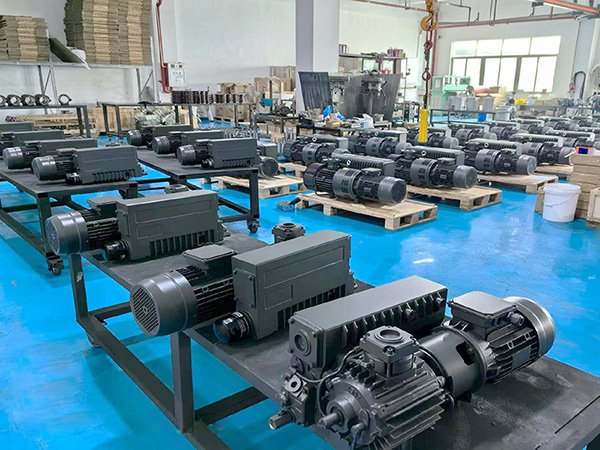
Workshop floor with rows of pump assemblies on tables and pallets.
Confirm whether a model-level performance document or a unit-specific test report is required. Agree the report language, file format, delivery timing and any printed copy before order confirmation. For OEM projects, discuss branded report templates and the required data fields during project review. Contact GOFLEX to discuss inspection documents for your selected pump.
The quality system behind the tests

Quality control documents to review before ordering

Incoming Material Inspection

Confirm the incoming inspection requirements for materials, castings, bearings, seals and motors relevant to your order. Agree any required material identification, supplier documents, sampling plan and acceptance criteria during quotation review.

In-Process Inspection

Identify the dimensions and assembly checks that are critical to your application. Agree the inspection stages, sampling requirements, tolerances and records needed for the selected pump or OEM project.


Nonconformance & CAPA

For a reported nonconformance, provide the model, serial number, order reference and supporting evidence. Agree how the issue will be assessed, what corrective action records are needed and how completion will be verified.


Calibration

If calibration evidence is required, identify the instruments and measurements relevant to your acceptance tests. Confirm the available calibration documents, validity dates, measurement range and traceability before agreeing the inspection scope.

Traceability

Specify the traceability records required for your order. Confirm which identifiers and records can be supplied, such as model, serial number, manufacture date, inspection results and relevant component or material references. Agree record retention and retrieval requirements where needed.
How to review quality issues and corrective actions

Defect tracking and continuous improvement

Use documented inspection and service records when evaluating quality performance. Any quoted defect or return rate should state its reporting period, product scope, sample size and calculation method.

Initial inspection and rework

If initial test or rework data is required, request the applicable reporting period and model range. Distinguish initial test failures from unresolved defects and confirm how retested units are counted.


Returns and service records

When reviewing return data, confirm the period, number of units supplied and reasons for return. Separate confirmed manufacturing defects from transport damage, installation issues and application conditions. Request supporting analysis relevant to the selected model where available.

Supplier quality

Discuss any required component brands, approved suppliers and substitution controls before ordering. Where supplier performance data is needed, confirm its scope and supporting records rather than relying on an unqualified percentage.

The test area

Confirm the test setup and available records
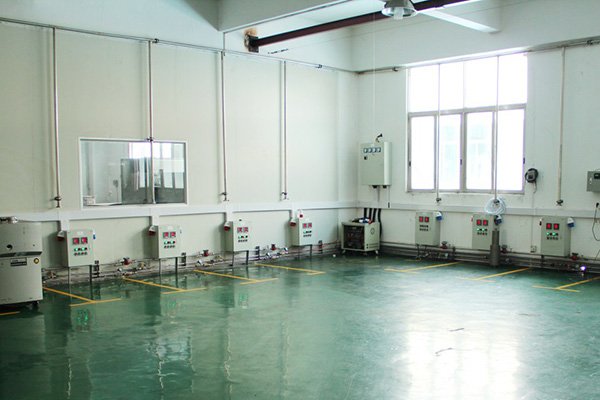
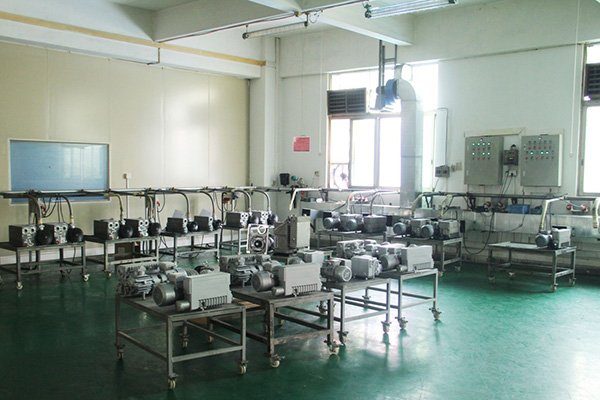
Room with a green floor and electrical panels beneath the windows.
For a factory review or witnessed test, confirm the test location, equipment and setup available for the selected pump. Agree any visit or remote observation arrangements before scheduling.
Equipment room with pumps arranged on metal stands and piping along the walls.
Confirm that the pressure measurement method and instrument range are suitable for the required acceptance point. Request instrument identification and calibration evidence where these are part of the agreed inspection scope.
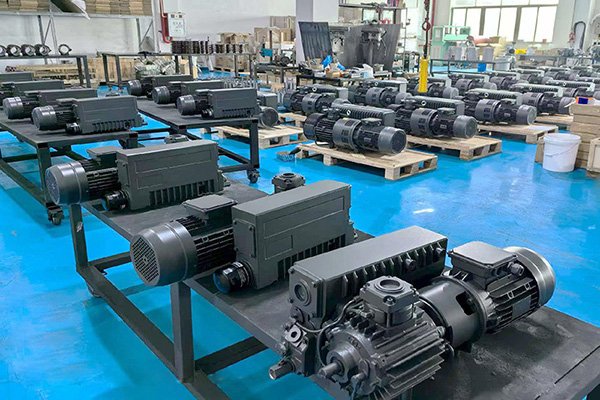
Rows of pumps and electric motors on worktables in a blue-floored workshop.
Agree which readings, curves or test records are required and whether they can be linked to the model or individual unit. Confirm the available file format, retention period and delivery arrangements before ordering.

After the test. Before the crate.

Pre-shipment checks

Agree a pre-shipment checklist for the selected pump, accessories and destination. Items to confirm can include:
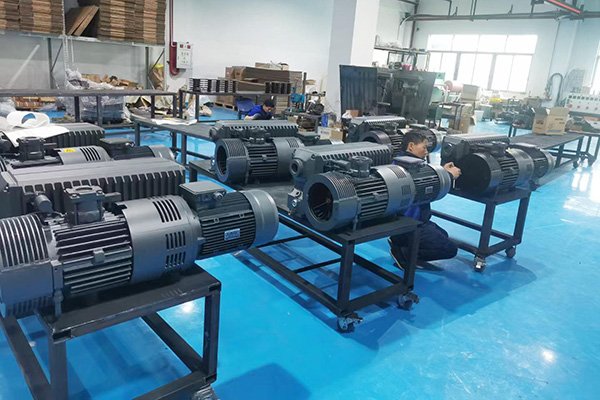
Pumps and motors lined up on metal stands in a workshop.
Fasteners, guards and visible assembly condition checked against the agreed inspection requirements.
Oil fill or dry-shipment condition identified where applicable, with the required oil specification and commissioning instructions confirmed.
Inlet and exhaust port protection suitable for the agreed packing and transport arrangements.
Nameplate and order details matched, including model, serial number and electrical supply information where applicable.
Accessories and documents matched to the agreed packing list, including any specified filters, spares, manual or inspection report.
Packaging, handling marks and transport protection agreed for the shipment method and destination. Confirm any special crating or export packing requirements before ordering.
What happens when a pump has a problem

Confirm warranty terms before ordering

What is covered

Before ordering, confirm the warranty period, its start date, the covered components and the applicable remedy for the selected model. Request written terms identifying the pump and supplied accessories covered by the order.

What is not covered

Confirm the exclusions and maintenance responsibilities in the written warranty terms. Ask how wear items, unsuitable operating conditions, installation issues, unauthorized modifications and transport damage are assessed for the selected pump and order.

How claims work

For a claim, provide the pump model, serial number, order reference, operating conditions and evidence of the issue, such as photographs or video. Agree the assessment procedure and any return arrangements before shipping equipment. Confirm whether parts, repair or replacement applies after the failure assessment, together with dispatch timing, freight costs and responsibilities.

After warranty

For service after the warranty period, provide the model, serial number and fault details so available support and replacement parts can be checked. Confirm part compatibility, availability, pricing, dispatch lead time and shipping terms for the specific request, including discontinued models.
Vacuum pump testing questions

Quick answers

Which tests should I specify for my pump?

Confirm the applicable tests and acceptance limits for the selected model and application before ordering. State whether you need unit-specific results, model-level performance information or a witnessed test. Agree any photographs or supporting records in advance.

How long does vacuum pump testing take?

Test duration depends on the pump, setup, stabilization requirements and agreed inspection scope. Request the planned test duration and scheduling requirements during quotation review rather than relying on one time allowance for all models.

What should be agreed if a test result is outside the acceptance limits?

Agree the review, corrective action and retest process before ordering. Request identification of the affected unit, the measured result, test conditions and the agreed limit, together with the records needed to close the issue.

Can I request records for a previous order?

Provide the pump model, serial number and order reference so GOFLEX can check which records are available. Confirm the available documents and retrieval arrangements; historical record availability should be checked for the specific order.

What calibration information should I request?

If calibration evidence is part of your inspection requirements, specify the relevant instruments and measurements. Confirm available certificates, instrument identification, validity dates and measurement range before agreeing the test scope.

How can I check that a report relates to my pump?

Compare the model and serial number with the order and nameplate. Review the test date, measured values, units, conditions and acceptance criteria. Request clarification or supporting records for any missing or inconsistent information.

How should defect or return rates be evaluated?

Request the reporting period, product scope, number of units and calculation method for any quoted rate. Distinguish initial test failures, reworked units and confirmed customer returns before comparing figures.

Need to define vacuum pump acceptance requirements?

Send your application, selected model, target pressure, required flow and inspection requirements. Confirm the test scope, documentation, pricing and lead time during quotation review. Use the vacuum pump inquiry checklist to prepare your request.
Request a quote
Copyright © 2026 goflexpump.com. All Rights Reserved
arrow-right linkedin facebook pinterest youtube rss twitter instagram facebook-blank rss-blank linkedin-blank pinterest youtube twitter instagram