Where vacuum pumps actually earn their keep
Industrial Vacuum Pump Applications and Selection Requirements
Explore vacuum pump applications in pharmaceutical processing, food packaging, semiconductor equipment, chemical processing, medical and laboratory systems, woodworking, HVAC and printing. Use these examples to define your process requirements before comparing pump types. Selection depends on the target pressure, pumping speed at that pressure, gas composition, moisture or particles, duty cycle and required protection. An industry label alone does not confirm model suitability; provide your operating conditions for review.
Pharmaceutical
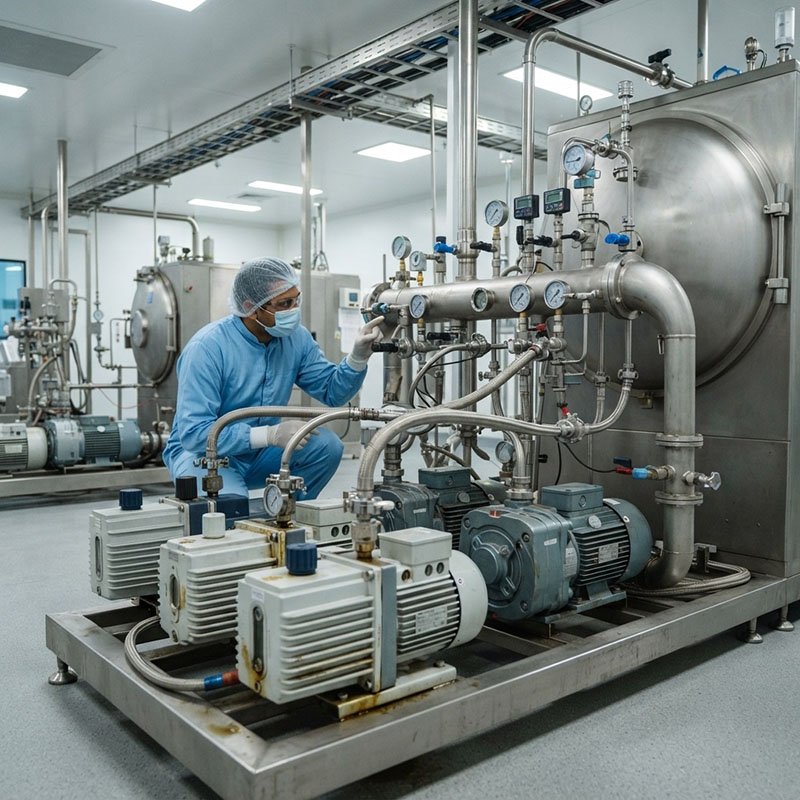
Freeze-drying projects. Provide the chamber volume, process pressure, pressure reference, required pump-down time and drying-cycle profile. Define the conditions at the pump inlet throughout the cycle so the equipment supplier can review the required pumping performance.
Vapor load and pump protection. State the expected water vapor, solvents, condensables and carryover after the condenser or trap. Provide operating temperatures and planned duty cycles. Confirm inlet protection, purge requirements, lubricant compatibility and maintenance instructions for the proposed configuration.
Documentation and acceptance. Identify any cleaning, material, traceability or qualification documents required by your process. Agree the performance test conditions, acceptance criteria and supporting records before ordering; application suitability must be assessed for the exact model and system.
Use the vacuum pump testing and inspection checklist to define the required measurements and records.
Use the vacuum pump testing and inspection checklist to define the required measurements and records.
Pump comparison. Compare candidate pump types using pumping speed at the process pressure, vapor-handling requirements, contamination limits and system interfaces. Any booster requires a compatible backing pump and agreed controls. Use the vacuum pump inquiry checklist to prepare the technical review.
Food Packaging
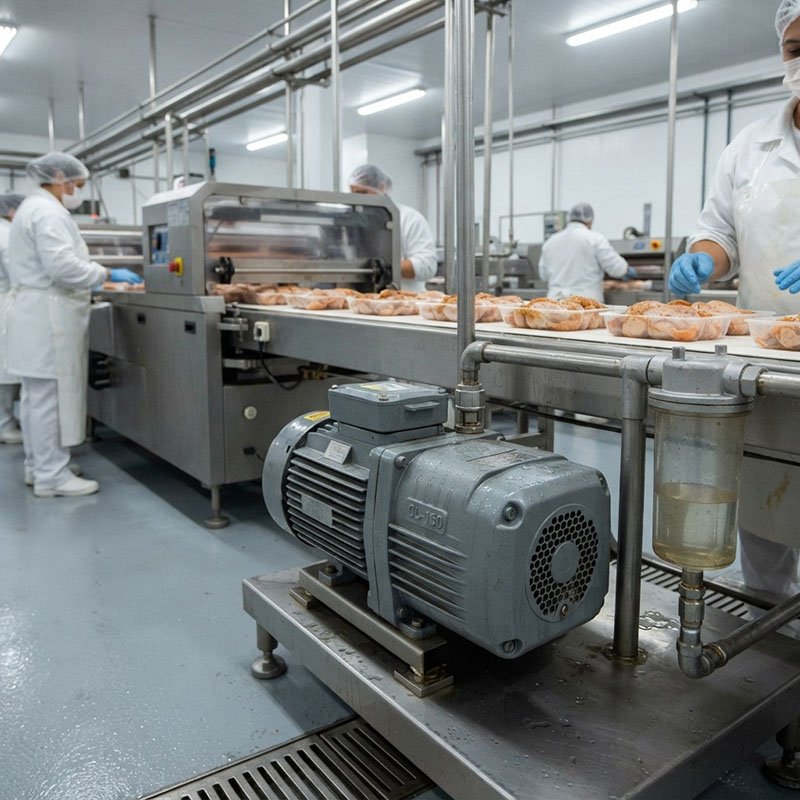
Packaging cycle requirements. For vacuum sealing, thermoforming or modified-atmosphere packaging, provide the machine type, chamber volume, target pressure, cycle time, cycles per hour and number of operating stations.
Moisture and carryover. Describe the water vapor, fat aerosols, product particles and cleaning conditions that may reach the inlet. Confirm filtration, separation, condensate management and maintenance access for the proposed pump and installation.
Operating arrangement. State the daily operating hours, peak demand, number of shifts and whether the pump serves one machine or a central network. Confirm the required pressure at the machine, pipework losses, control method and any standby capacity.
Pump comparison. Compare suitable rotary vane, claw or other configurations against the actual pressure, flow, contamination and duty requirements. A dry pumping chamber alone does not establish suitability for a food-packaging process. Confirm the exact configuration and documents during review.
Semiconductor
Equipment-specific requirements. Identify the tool and process, operating pressure range, gas composition, gas load, contamination limits and expected duty. Distinguish auxiliary handling or load-lock service from process-chamber exhaust requirements.
Process compatibility. Provide the gases, by-products, condensables and particles expected at the pump inlet, including startup and shutdown conditions. Confirm materials, seals, purge provisions, temperature limits and exhaust-treatment interfaces with the equipment supplier.
Load-lock and handling systems. State the chamber volume, starting and final pressure, required cycle time and number of cycles. For vacuum chucks, provide the holding-pressure and flow requirements. Evaluate performance as part of the complete installation.
Qualification before selection. An oil-free or dry label does not establish semiconductor-process compatibility. Require model-specific performance information and agree contamination, safety, control and acceptance requirements before approving a pump or booster combination.
Chemical Processing
Define the chemical process. For distillation, drying or solvent recovery, provide the process pressure, gas load, vapor composition and operating temperature. Include startup, normal operation and shutdown conditions, together with the expected duty cycle.
Confirm wetted-part compatibility. Identify solvents, corrosive substances, condensables and particles that may reach the pump after upstream treatment. Supply the relevant substance and process information for review of materials, seals, lubricant, inlet protection and exhaust handling.
Specify hazardous-area requirements. Identify the installation location, area classification and required equipment documentation during project review. Do not infer approval for a complete pump assembly from a motor specification. Confirm the exact configuration, evidence, responsibilities and schedule before ordering.
Compare the complete configuration. Review candidate pump types against pressure, pumping speed, chemical compatibility, contamination limits and system interfaces. Agree any condenser, separator, purge, controls and acceptance requirements for the specific project.
Medical & Laboratory
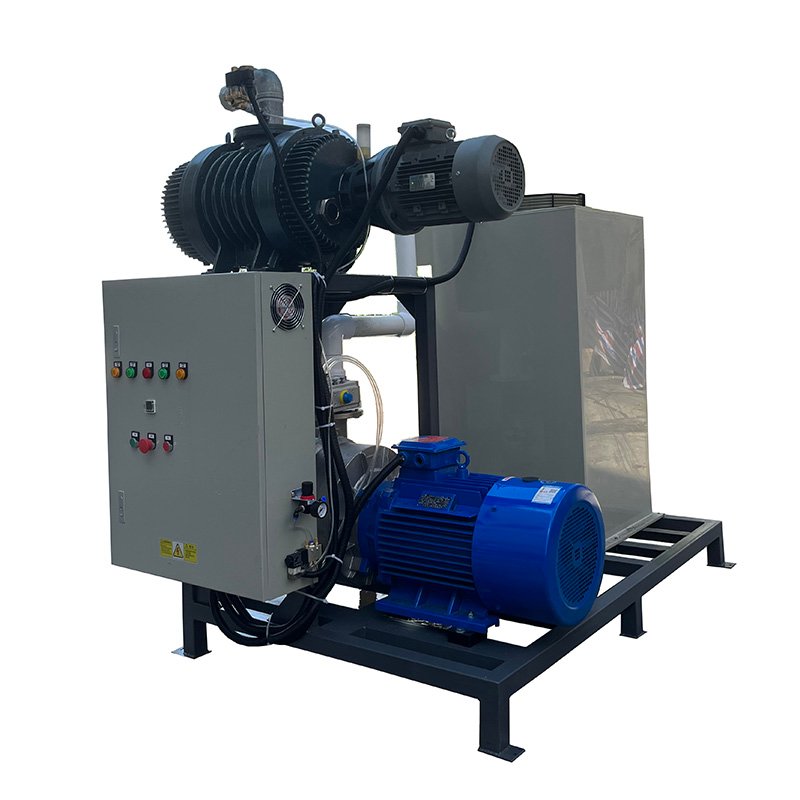
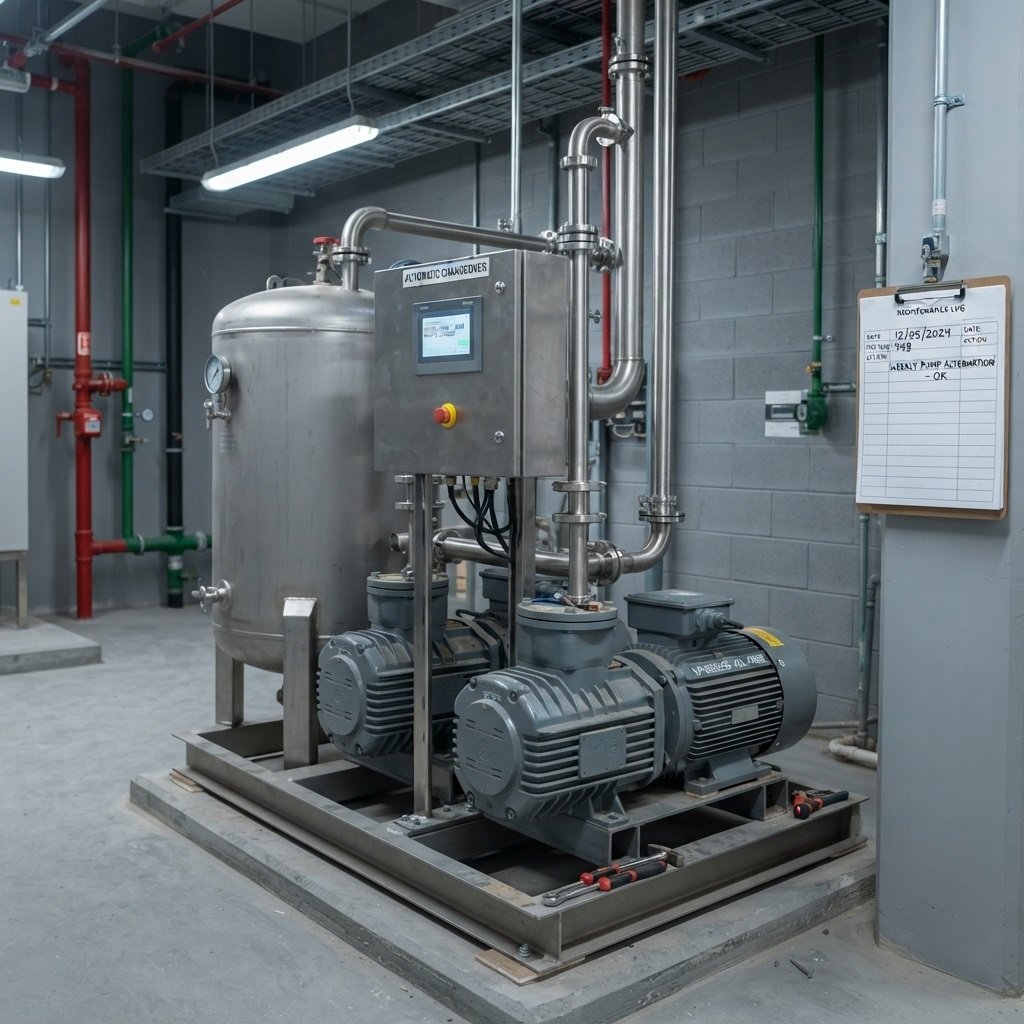
State the system requirements. Identify whether the request concerns a laboratory instrument, dental equipment or a central medical vacuum system. Provide the equipment specification, required pressure and flow, operating hours, installation location and destination requirements.
Define the supply scope. Distinguish a pump component from a complete vacuum system. Specify required controls, monitoring, standby capacity, inlet protection and exhaust arrangements. Confirm which components, system functions and supporting documents are included in the quotation.
Qualification and documentation. An oil-free designation alone does not confirm suitability for medical or dental use. Identify the applicable equipment requirements, required evidence and validation responsibilities. Obtain acceptance of the exact model and configuration from the responsible equipment or system supplier.
Laboratory process review. State the gases, solvents, moisture, particles and contamination limits for the intended instrument or process. Compare pumping performance at the working pressure and confirm materials, protection measures and maintenance requirements before selection.
Woodworking
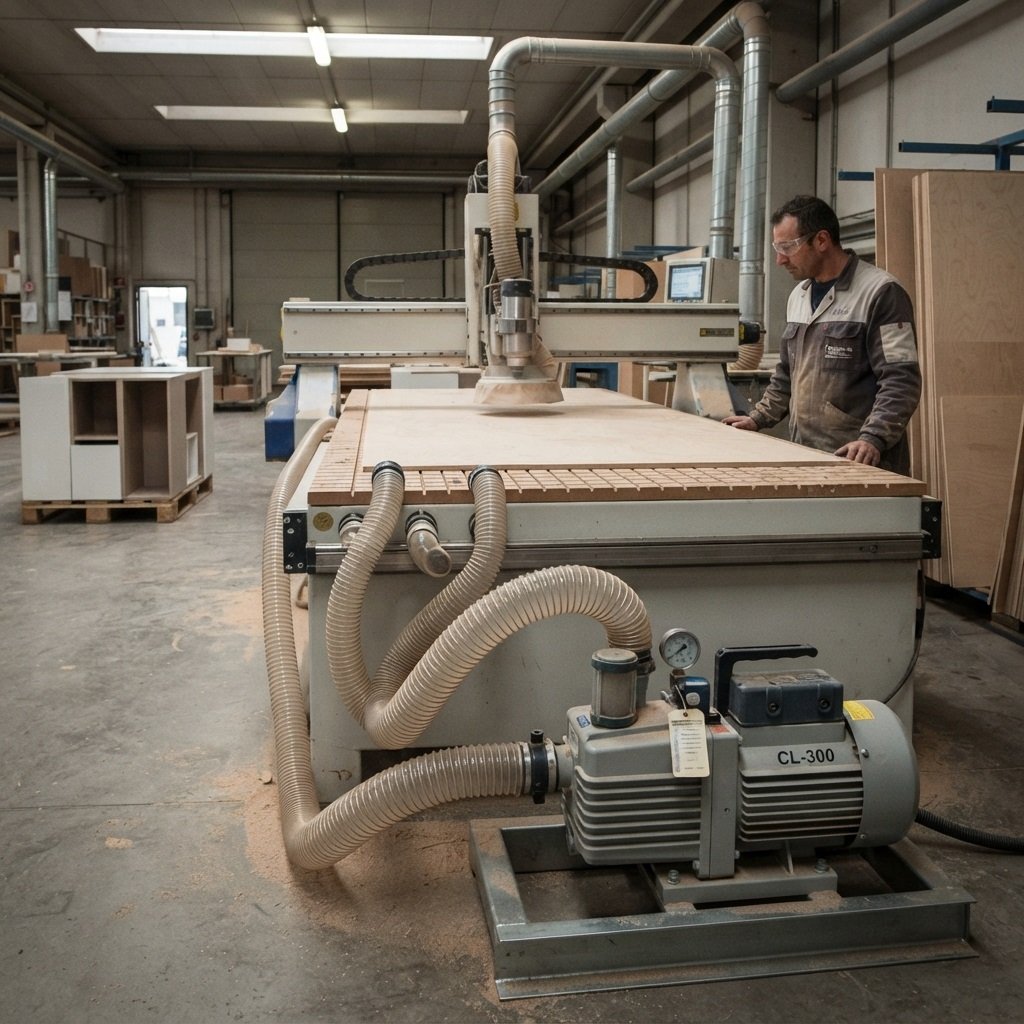
Describe the hold-down task. Provide the router-table dimensions, active zones, workpiece material and thickness, spoilboard arrangement and cutting pattern. State the pressure and flow required by the machine supplier for the intended operation.
Size for the actual leakage load. Identify material porosity, exposed table area, cut paths and the number of simultaneous zones. Compare the required pumping speed at the working pressure, including the effects of filters, valves and pipework; avoid selecting by ultimate vacuum alone.
Plan filtration and maintenance. Describe the expected dust and debris, filter arrangement, daily operating hours and maintenance access. Confirm inlet protection, filter monitoring and service instructions for the proposed pump and installation.
Review candidate pump configurations. Compare pressure, flow, duty, energy use and installation requirements for the complete system. If a roots booster is proposed, confirm its compatible backing pump and controls. Agree hold-down performance and acceptance conditions with the machine supplier.
HVAC & Refrigeration
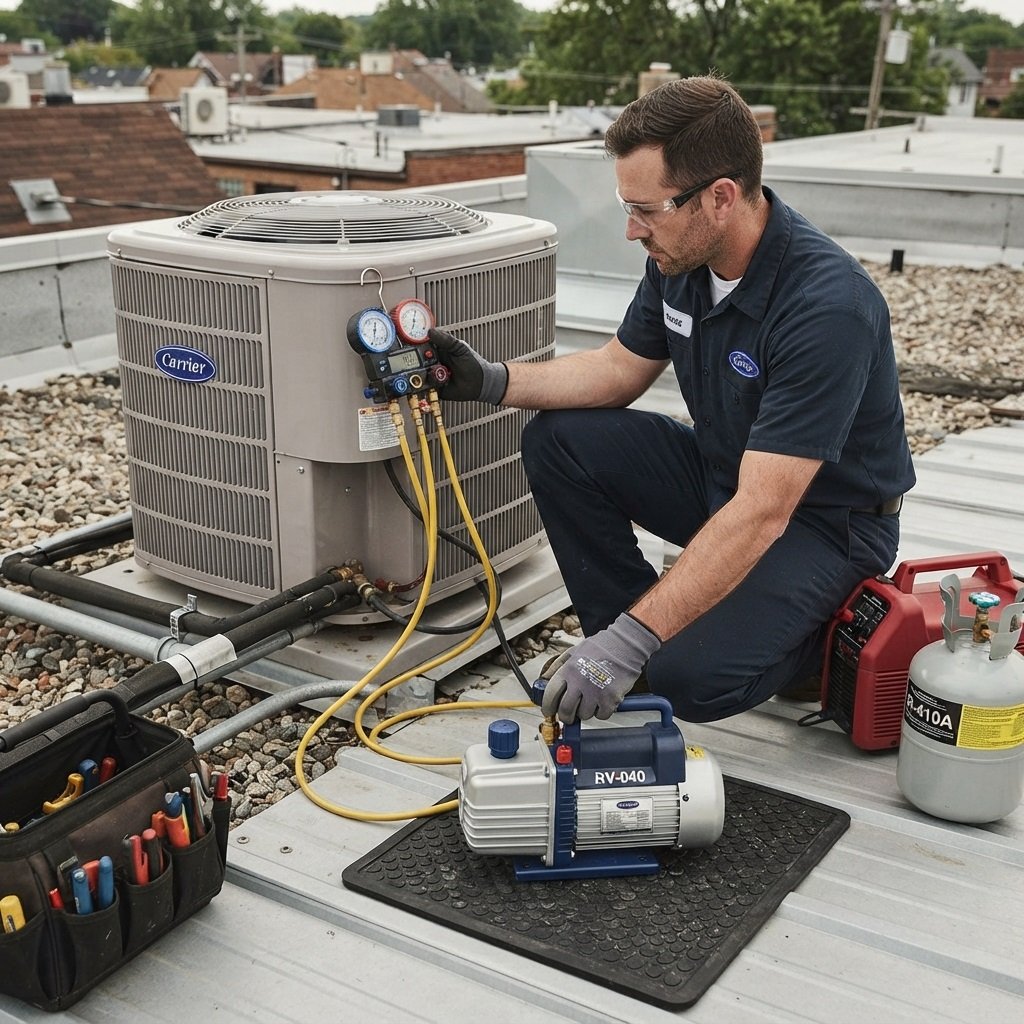
Define the evacuation requirement. Provide the HVAC or refrigeration equipment specification, system volume, target pressure and units, and required acceptance procedure. Identify the refrigerant associated with the system and the intended service conditions for compatibility review.
Evaluate pump-down performance. Confirm pumping speed at the required pressure, connection sizes, hose arrangement, measurement location and the expected moisture load. Actual evacuation time depends on the complete installation and its condition; agree test conditions rather than assuming a fixed time from the pump model alone.
Use the vacuum pressure and units guide to state the target pressure and reference clearly.
Use the vacuum pressure and units guide to state the target pressure and reference clearly.
Specify the intended service. State clearly whether the equipment is requested for evacuation or refrigerant recovery. Obtain written confirmation that the exact equipment and configuration are suitable for that service and refrigerant. Follow the equipment supplier’s operating and maintenance instructions.
Model and accessory review. Compare candidate pumps using the required working pressure, pumping speed, electrical supply, portability, interfaces and supporting documents. Confirm lubricant, gas-ballast operation, inlet accessories and maintenance requirements for the selected model.
Printing & Paper Handling
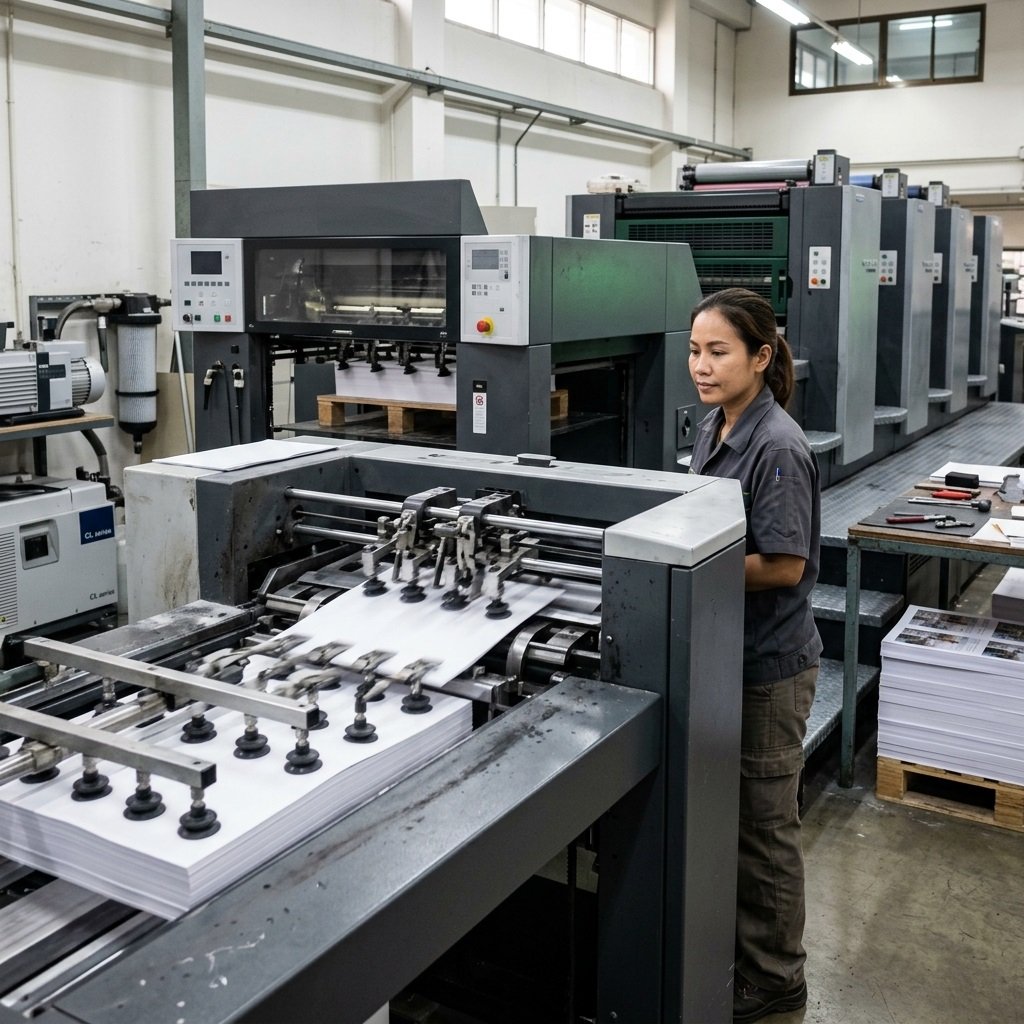
Describe the paper-handling equipment. Provide the press or feeder specification, number of suction points, cycle rate, required vacuum and flow, and whether suction and compressed-air functions need separate equipment. Include the operating schedule and peak simultaneous demand.
Account for dust and installation losses. Describe paper dust, coatings, moisture and other material that may reach the inlet. Confirm filtration, pipework, valves, monitoring and maintenance access. Evaluate the required pressure and flow at the machine connection.
Plan central or individual supply. State how many machines operate together, their demand profiles and any required standby capacity. Agree control, monitoring and maintenance arrangements for the proposed system rather than assuming a standard pump quantity or service interval.
Compare suitable configurations. Review candidate pump types against the equipment supplier’s pressure, flow, duty, noise and contamination requirements. Confirm model compatibility, accessories and acceptance criteria for the complete installation.
Review the vacuum pump types and model overview to identify candidates for technical review.
Review the vacuum pump types and model overview to identify candidates for technical review.
Your application is not listed?
Tell us your application, required flow and gas composition. Use the vacuum pressure and units guide to state whether your target is absolute or gauge pressure. Follow the vacuum pump inquiry checklist to include duty cycle, moisture or particles, installation constraints and electrical supply. Model suitability requires a review of your operating conditions.
Describe your application