
V-063 Rotary Vane Vacuum Pump
Send the chamber volume, target pressure, gas composition, vapour or particle load and operating schedule. Confirm oil requirements, gas-ballast configuration, inlet protection, exhaust treatment, cooling and maintenance for the proposed installation. Continuous-duty capability, exhaust cleanliness and application suitability should be confirmed for the operating conditions.
Browse all rotary vane vacuum pumps to compare other models.
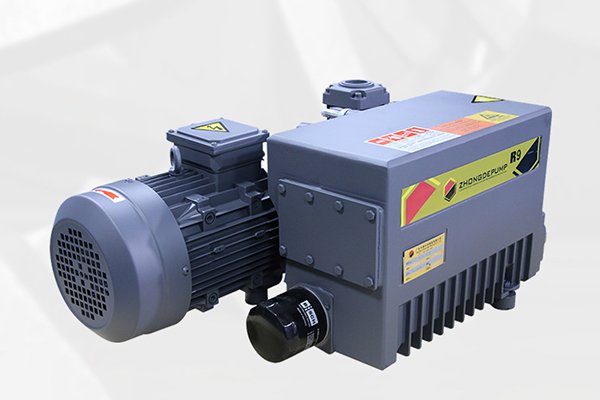
Image Gallery
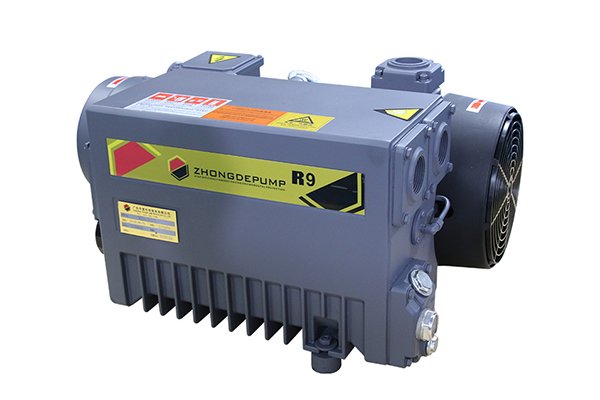
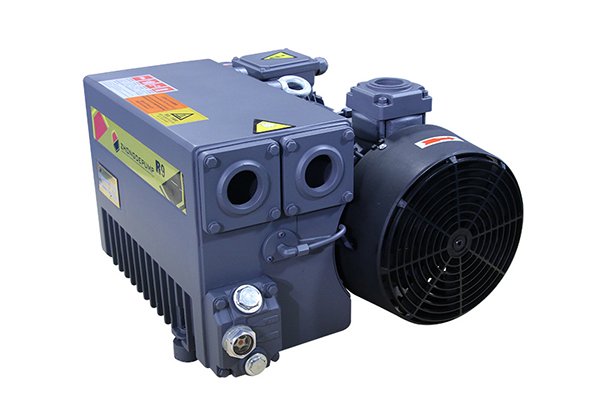
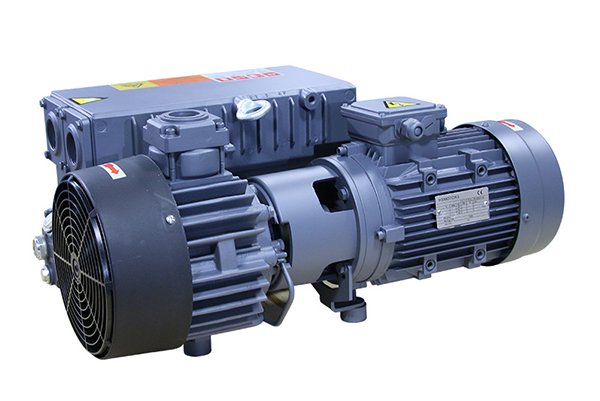
Technical Specifications - V063 Model
| Specification Item | Technical Parameter |
|---|---|
| Nominal Pumping Speed | 63 m³/h |
| Ultimate Pressure (Vacuum) | 0.1 – 0.5 mbar |
| Motor Power Rating | 2.2 kW |
| Rated Voltage Options | 380V (3-Phase) / 220V (1-Phase) |
| Nominal Motor Speed | 1440 rpm |
| Inlet Port Size | G 1 1/4" Threaded Port |
| Operational Noise Level | ≤ 65 dB(A) |
| Water Vapor Tolerance / Max Extraction | 40 mbar / 1.0 kg/h |
| Oil Capacity | 2.5 L |
| Net Weight | 70 kg |
| Dimensions (L × W × H) | 665 × 410 × 295 mm |
V-Series Single-Stage Vacuum Pump Full Range Comparison
| Model | Flow (m³/h) | Vacuum (mbar) | Power (kW) | Speed (rpm) | Noise (dB) | Inlet | Oil (L) | Weight (kg) | Dimensions (mm) |
|---|---|---|---|---|---|---|---|---|---|
| V-020 | 20 | 0.1–0.5 | 0.75 | 2880 | ≤ 62 | G 1/2" | 0.5 | 20 | 410×235×195 |
| V-025 | 25 | 0.1–0.5 | 0.75 | 1440 | ≤ 62 | G 3/4" | 0.5 | 25 | 465×230×205 |
| V-040 | 40 | 0.1–0.5 | 1.5 | 1440 | ≤ 65 | G 1 1/4" | 1.5 | 45 | 660×290×260 |
| V-063 | 63 | 0.1–0.5 | 2.2 | 1440 | ≤ 65 | G 1 1/4" | 2.5 | 70 | 665×410×295 |
| V-100 | 100 | 0.1–0.5 | 3.0 | 1440 | ≤ 67 | G 1 1/4" | 2.5 | 85 | 715×410×295 |
| V-202 | 200 | 0.1–0.5 | 4.5 | 1440 | ≤ 72 | G 2" | 5.0 | 150 | 850×490×430 |
| V-250 | 250 | 0.1–0.5 | 5.5 | 1440 | ≤ 73 | G 2" | 7.5 | 195 | 980×560×430 |
| V-302 | 300 | 0.1–0.5 | 7.5 | 1440 | ≤ 75 | G 2" | 7.5 | 211 | 1000×535×430 |
| V-630 | 630 | 0.1–0.5 | 18.5 | 960 | ≤ 80 | G 3" | 25.0 | 650 | -- |
Features & Key Advantages
Direct-Drive Performance
The direct-drive configuration supports machinery integration. Confirm motor rating, supply frequency and the pumping-speed curve for the selected V-063 configuration and operating pressure.
Oil Mist Separation
An integrated oil mist separator helps reduce oil carryover. Exhaust quality depends on gas load, oil condition and separator maintenance; assess ventilation and exhaust treatment for the process.
Noise & Vibration Planning
Assess noise and vibration under the intended load and installation conditions. Select the foundation, mounts and any acoustic measures to suit the equipment and site requirements.
OEM Installation Planning
Confirm port threads, dimensions and electrical connections before integration or replacement. Provide cooling clearance and service access, and verify the operating limits for the intended duty cycle.
Target Applications & Industry Uses
Primary Industrial Process Applications
- Thermoforming & Blister Packaging: Assess chamber volume, target pressure, leakage and cycle time against the V-063 performance curve before sizing a forming or tray-sealing system.
- Material Degassing & Impregnation: Review gas composition, vapor load and entrained liquid or resin. Confirm material compatibility and inlet separation requirements for the process.
- Vacuum Handling & Lifting: Size the system for leakage and simultaneous demand. Check the required holding force and the equipment controls for loss of vacuum.
- Vacuum Distillation & Lamination: Confirm target pressure, vapor composition and process temperature. Evaluate condensation control and gas compatibility before pump selection.
Machinery Integration Considerations
- Packaging Machinery: Check the selected pump dimensions, electrical supply, cooling space, exhaust routing and maintenance access against the machine design.
- Drying & Impregnation Setup: Define the vapor load, operating pressure and duty cycle. Review inlet trapping, condensation management and oil maintenance needs.
- Centralized Vacuum Stations: Calculate peak and average demand, pipeline losses and receiver capacity. Review pump sequencing and reserve capacity before specifying a station.
- Automation & Robotic Cells: Check leakage, gripper or fixture demand and required response time. Confirm controls, filtration and installation provisions for the equipment.
Frequently Asked Questions
What is the primary difference between V040 and V063 vacuum pumps?
The V040 and V063 differ in nominal pumping capacity and motor configuration. Compare the selected versions at the same frequency and operating pressure using their performance curves. Chamber volume, leakage, pipe conductance and target pressure determine the achievable evacuation time.
Does the V063 vacuum pump include an oil mist separator?
An integrated exhaust oil mist separator is described for the V063. Confirm the supplied configuration and maintenance requirements. Oil carryover and odor depend on the process gas, load, oil condition and separator condition; assess ventilation and any required exhaust treatment.
Can the V063 operate continuously 24/7 in industrial machinery?
Continuous operation requires confirmation against the operating limits for the supplied configuration. Check inlet pressure, gas and vapor load, ambient temperature, cooling clearance, oil condition and maintenance intervals before planning a 24/7 duty cycle.
Ready to Upgrade Your Industrial Vacuum System?
Send the model, target pressure, gas load, electrical supply and operating schedule for a configuration and quotation review. Request drawings and confirm availability and lead time for the proposed configuration.