
V-040 Rotary Vane Vacuum Pump
Send the chamber volume, target pressure, gas composition, vapour or particle load and operating schedule. Confirm oil requirements, gas-ballast configuration, inlet protection, exhaust treatment, cooling and maintenance for the proposed installation. Continuous-duty capability, exhaust cleanliness and application suitability should be confirmed for the operating conditions.
Browse all rotary vane vacuum pumps to compare other models.
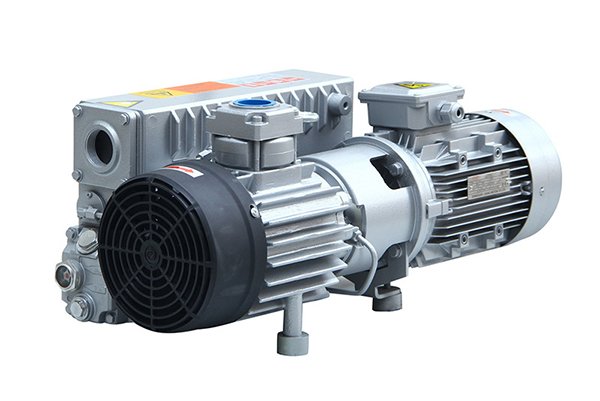
Image Gallery
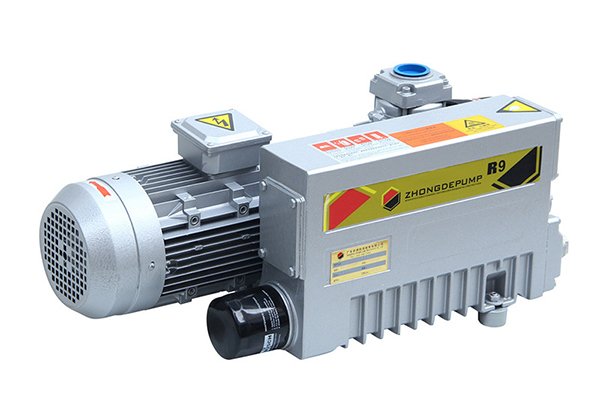
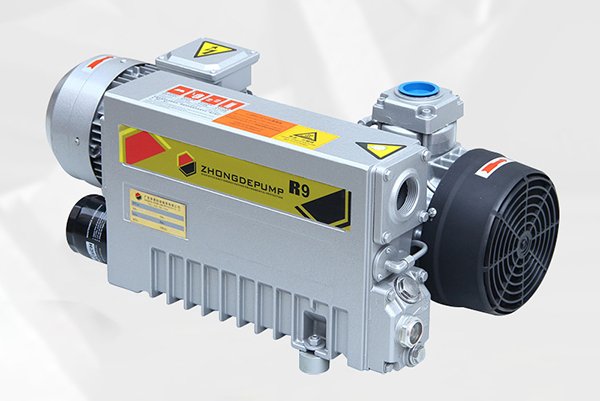
Technical Specifications - V040 Model
| Specification Item | Technical Parameter |
|---|---|
| Nominal Pumping Speed | 40 m³/h |
| Ultimate Pressure (Vacuum) | 0.1 – 0.5 mbar |
| Motor Power Rating | 1.5 kW |
| Rated Voltage Options | 380V (3-Phase) / 220V (1-Phase) |
| Nominal Motor Speed | 1440 rpm |
| Inlet Port Size | G 1 1/4" Threaded Port |
| Operational Noise Level | ≤ 65 dB(A) |
| Oil Capacity | 1.5 L |
| Net Weight | 45 kg |
| Dimensions (L × W × H) | 660 × 290 × 260 mm |
Features & Key Advantages
Listed Pumping Speed: 40 m³/h
The page lists 40 m³/h pumping speed and 1.5 kW motor power. Confirm the performance curve, supply frequency and selected motor configuration at the required inlet pressure and gas load.
Oil Mist Separation
Confirm the supplied oil mist separator, oil return arrangement and maintenance requirements. Exhaust quality depends on gas load, oil condition and filter condition; review ventilation and discharge routing for the installation.
Noise & Vibration Conditions
Confirm noise test conditions and mounting requirements for the supplied configuration. Review vibration isolation and fastening against the installation instructions and supporting structure.
OEM Connection & Cooling Review
The page lists G 1 1/4-inch threaded ports and air cooling. Confirm thread details, dimensions, mounting points, ventilation and service access before integration or replacement.
Target Applications & Industry Uses
Primary Industrial Process Applications
- Thermoforming & Blister Packaging: For blister forming or tray sealing, size against chamber volume, target pressure, cycle time and leakage. Confirm moisture carryover, inlet protection and exhaust handling for the selected equipment.
- Material Degassing & Impregnation: For resin deaeration, impregnation or drying, assess gas release, condensable load and required pressure. Confirm oil compatibility, gas-ballast configuration and upstream separation.
- Vacuum Handling & Lifting: For suction cups, fixtures or robotic handling, calculate holding force from pressure differential and effective area. Review leakage, workpiece porosity, lifting load and loss-of-vacuum safeguards.
- Vacuum Distillation & Lamination: For crystallization, PCB lamination or mold evacuation, confirm process pressure, gas composition, vapor load and evacuation time. Review compatibility and protection against process carryover.
Compatible Machinery & Industries
- Packaging Machinery: For vacuum packaging, skin packaging or thermoforming machinery, confirm cycle demand, chamber volume, leakage, inlet protection and any process contamination controls.
- Drying & Impregnation Setup: For degassing tanks, chemical processes or drying ovens, review gas and condensate compatibility with the pump and oil, including upstream treatment and any hazardous-area requirements.
- Centralized Vacuum Stations: For mobile or plant-wide vacuum stations, assess simultaneous demand, pipeline pressure losses, operating pressure and permitted duty cycle, with ventilation and maintenance access.
- Automation & Robotic Cells: For CNC tables, grippers or molding cells, confirm holding or evacuation requirements, effective area, leakage, filtration and operating schedule for the specific equipment.
Frequently Asked Questions
The pages list 40 m³/h pumping speed and 1.5 kW motor power for V040, compared with 25 m³/h and 0.75 kW for V025. Compare performance curves at the required pressure, supply frequency, chamber volume and system conductance. The listed speed difference does not establish a fixed percentage reduction in evacuation time or process suitability.
The page describes an integrated exhaust oil mist filter. Confirm the supplied separator, oil return arrangement and replacement requirements. Exhaust quality and oil consumption depend on gas load, oil condition and filter condition; assess ventilation and discharge routing rather than assuming the exhaust can be returned to an occupied workspace.
Confirm the permitted duty cycle, inlet-pressure range, gas compatibility, ambient temperature, ventilation and cooling requirements for the supplied configuration. Continuous operation also requires the specified oil, filter servicing and maintenance; an oil-recirculation or air-cooling design alone does not establish suitability for every 24/7 process.
Ready to Upgrade Your Industrial Vacuum System?
Send the model, target pressure, gas load, electrical supply and operating schedule for a configuration and quotation review. Request drawings and confirm availability and lead time for the proposed configuration.