ZDR-100 Two-Stage Rotary Vane Vacuum Pump
For vacuum packaging, resin degassing, freeze drying or coating backing, send the chamber volume, starting and target pressures, evacuation time, gas composition and duty cycle. Specify condensable vapours, particles and cleanliness requirements. Confirm gas-ballast operation, oil compatibility and service intervals, inlet protection, exhaust treatment, cooling and connection dimensions for the proposed installation.
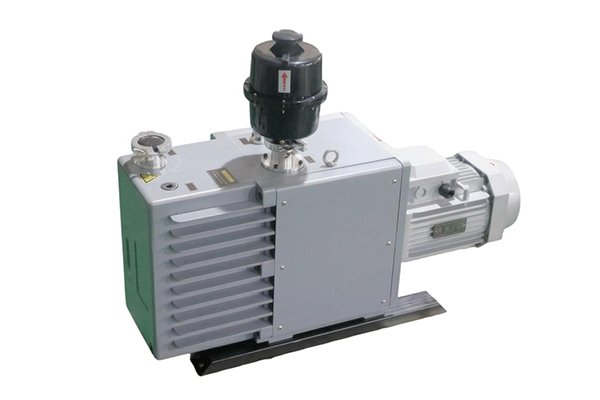
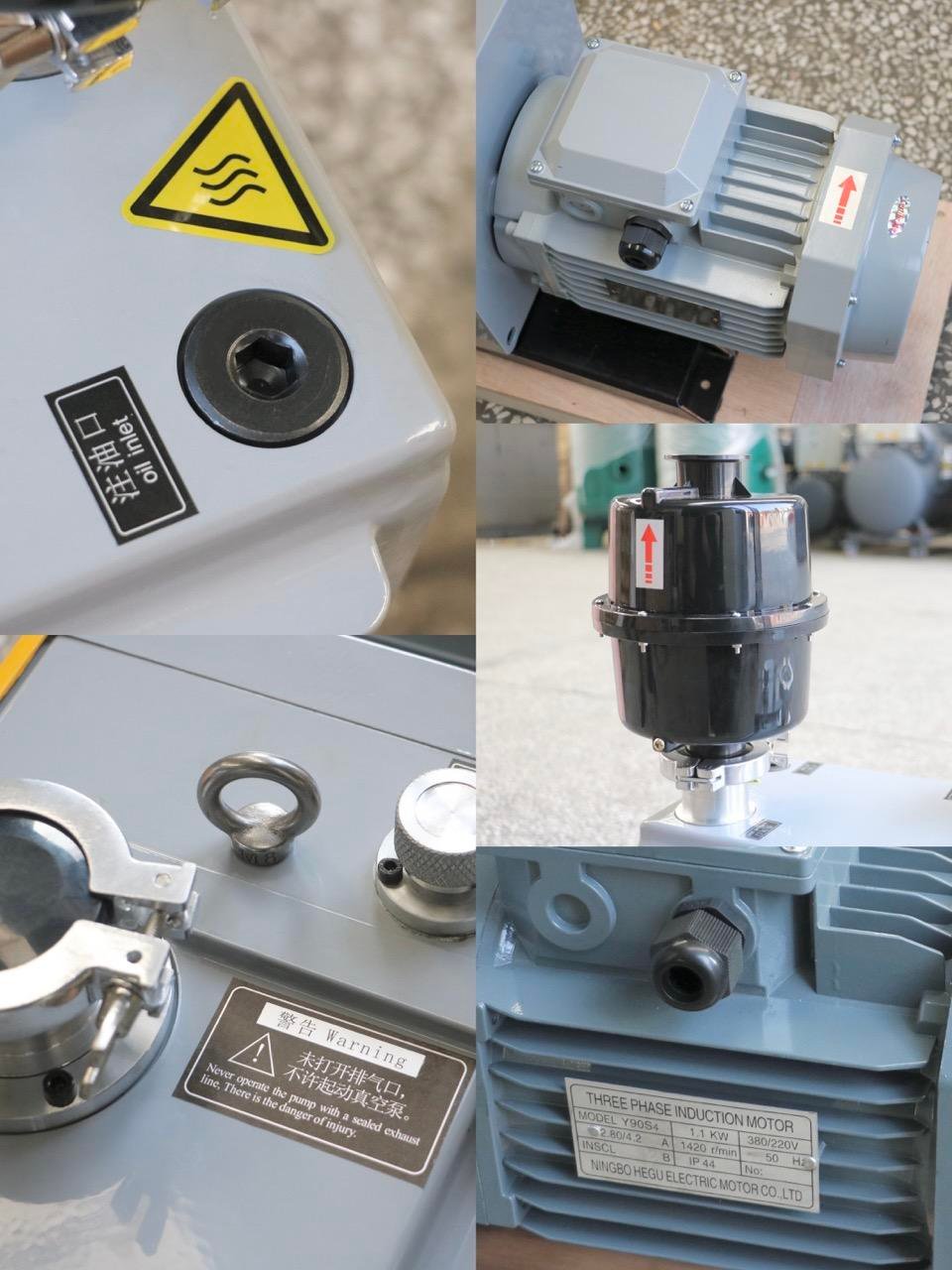
Image Gallery
ZDR-100 Technical Specifications
| Technical Parameter | ZDR-100 Vacuum Pump Specification Details |
|---|---|
| Model Number | ZDR-100 (ZDR100 Vacuum Pump) |
| Pump Structure | Direct Drive Two-Stage Rotary Vane |
| Nominal Pumping Speed | 100 m³/h (50Hz) |
| Ultimate Vacuum Pressure | 0.05 Pa / 5 × 10⁻² Pa |
| Motor Power Rating | 3.0 kW (380V / 50Hz; confirm the supplied motor and available electrical options) |
| Motor Rotational Speed | 1450 rpm |
| Inlet Flange Connection | Standard KF40 ISO Quick Release Flange |
| Oil Injection Tank Capacity | 6.5 Liters |
| Operating Noise Level | ≤ 68 dB(A) |
| Machine Dimensions (L × W × H) | 830 × 275 × 440 mm |
| Net Weight / Gross Weight | 90.0 kg (Net) / 100.0 kg (Gross Package) |
| Package Dimensions | 900 × 350 × 500 mm |
| Warranty & Custom Support | Confirm warranty duration, coverage, exclusions and service terms in the written quotation. OEM / ODM options require confirmation in the agreed configuration. |
Key Features & Engineering Advantages
Pumping Performance Selection
Confirm the pumping-speed curve and ultimate-pressure test conditions for the selected ZDR-100 configuration. Chamber volume, leakage, outgassing and pipe conductance determine the achievable evacuation time and process pressure.
Motor & Duty-Cycle Review
Confirm motor rating, rated speed, electrical supply and permitted operating range for the supplied version. Assess inlet pressure, gas load, cooling conditions and duty cycle before selection.
Oil Capacity & Maintenance
Confirm oil capacity and the approved oil grade for the supplied configuration. Inspect oil level and condition, and set maintenance intervals according to temperature, contamination, gas load and the operating instructions.
Noise & Connection Planning
Confirm flange dimensions and connection details before integration. Assess noise and vibration under the specified test and installation conditions, with suitable cooling clearance and maintenance access.
Target Applications & Industry Sectors
Primary Process Applications
- Semiconductor and microelectronics: define process pressure, gas composition and cleanliness before reviewing the complete vacuum system.
- Food and chemical packaging: assess cycle demand, vapor load, gas compatibility and carryover, with appropriate exhaust management.
- Resin and composite degassing: confirm material compatibility, target pressure and process time, and provide inlet protection against resin or liquid carryover.
- Drying and heat treatment: assess pressure, vapor load and temperature; freeze-drying requires review of the complete vacuum and condenser system.
- Coating and booster-system backing: confirm backing pressure, flow demand, gas compatibility, contamination limits and control requirements for the complete system.
Target Industry Sectors
- Electronics factories: review gas load, contamination limits, operating pressure and duty cycle for the selected configuration.
- Food processing and packaging: assess cleaning provisions, vapor and product carryover, and exhaust management against equipment hygiene requirements.
- Pharmaceutical and chemical equipment: confirm process-gas compatibility, containment and contamination requirements before assessing pump suitability.
- Automotive and machining equipment: define the vacuum function, target pressure and protection from entrained particles or fluids.
- Composite casting and lamination: assess leakage, evacuation time, material compatibility and inlet separation requirements.
- Research, leak detection and calibration: confirm required pressure, test background, instrument compatibility, ventilation and maintenance access.
Frequently Asked Questions (FAQ)
What should be checked when selecting the ZDR-100 for high-capacity industrial applications?
Assess chamber volume, target pressure, leakage, gas load and required evacuation time against the selected ZDR-100 performance curve. Confirm ultimate-pressure test conditions, cooling requirements and operating limits before planning continuous duty. Nominal specifications alone do not establish the achievable process pressure or 24/7 suitability.
Can the ZDR-100 vacuum pump be customized for different international power supplies?
Motor supply requirements can be reviewed for the project. Confirm available voltage, frequency, phase, winding connection and protection requirements for the supplied configuration in an agreed specification before ordering. Machinery integration also requires review of the installation electrical design.
What maintenance frequency is required for the ZDR-100 vacuum pump?
Follow the maintenance instructions for the supplied pump and approved oil. Check oil level and condition regularly, and set inspection and replacement intervals according to gas load, contamination, temperature and duty cycle. Oil reservoir capacity alone does not establish an extended oil-change interval.
What standard connections and options are available for the ZDR-100 vacuum pump?
Confirm inlet and exhaust connections, flange dimensions, gas-ballast arrangement, oil monitoring and mounting provisions for the supplied configuration. Discuss separator, valve and adapter requirements, and confirm availability, compatibility and installation details before ordering.
Ready to Upgrade Your Industrial Vacuum System?
Send the model, target pressure, gas load, electrical supply and operating schedule for a configuration and quotation review. Request drawings and confirm availability and lead time for the proposed configuration.